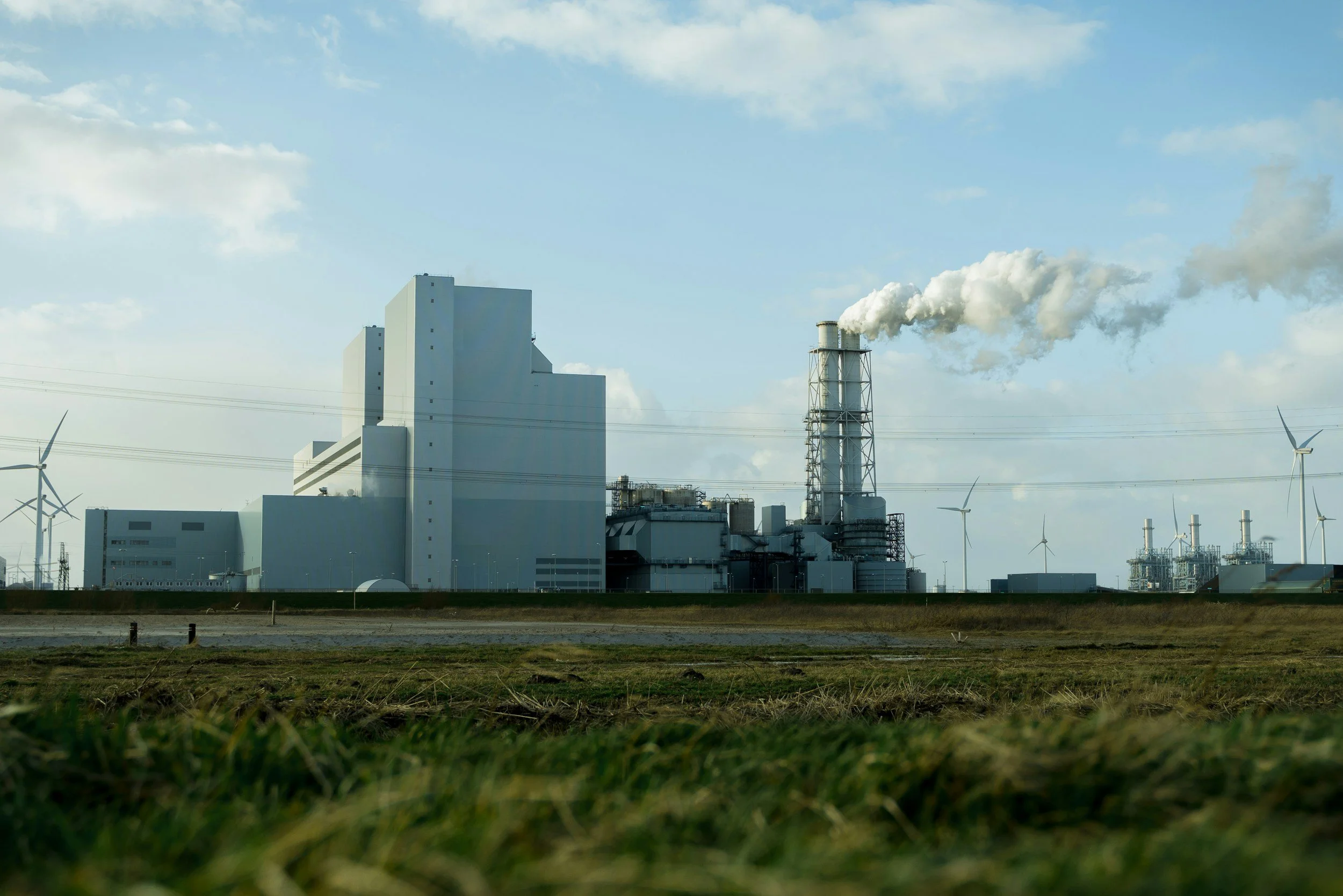
When your facility demands precision, reliability, and uptime, TAG MECHANICAL delivers industrial-grade solutions in process piping, boiler installations, fabrication, and maintenance. We combine skilled craftsmanship, certified technicians, and a safety-first approach to keep your operations running efficiently and compliantly.
Why choose TAG MECHANICAL?
Comprehensive process piping services: Design, layout, and installation for chemical, petrochemical, food & beverage, pharmaceutical, and manufacturing plants. We handle carbon steel, stainless, alloy piping, specialty materials, and high-pressure systems.
Expert boiler installations: Steam and hot-water boiler installation tailored to your capacity, efficiency, and emissions requirements. We manage the project from equipment selection and site prep to rigging, start-up, and operator training. Count on optimal fuel efficiency, proper venting, and integrated controls for safe, reliable steam generation.
Precision fabrication: In-house shop capabilities for custom skids, pressure parts, manifolds, supports, and structural components. We produce tight-tolerance assemblies using CNC cutting, precision welding, and finish work that accelerates field installation and reduces downtime.
Proactive maintenance & repair: Preventive maintenance programs, predictive testing, and emergency response to minimize unplanned outages. We create maintenance plans aligned with your production schedule and regulatory inspections.
What sets us apart?
Safety & compliance
High Quality Craftsmanship
Honesty and Communication
Turnkey project management
Cost control & lifecycle value
Next steps
Contact TAG MECHANICAL to schedule a site assessment and receive a no-obligation proposal. We’ll evaluate your requirements, identify immediate risk areas, and outline a phased plan to upgrade or maintain your process piping and boiler systems without disrupting production.
TAG MECHANICAL — Skilled. Compliant. Dependable. Your partner for piping, boilers, fabrication, and maintenance. Solutions
Our Services
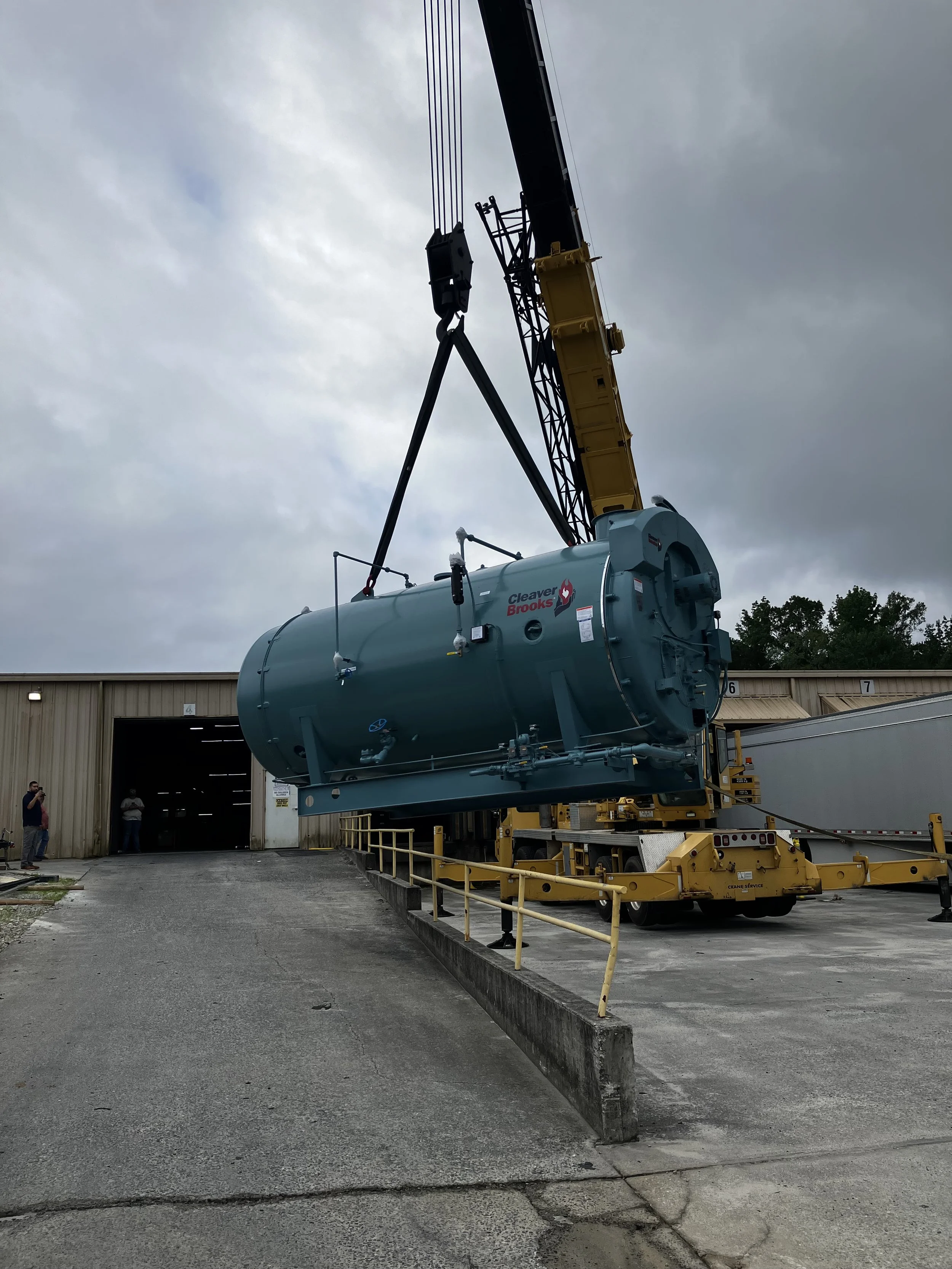
When it comes to equipment installation, quality isn’t optional — it’s everything. At TAG MECHANICAL, we deliver precision installations that protect your investment, maximize uptime, and ensure peak performance from day one.
Why choose our high-quality equipment installation?
Expert technicians: Our team consists of certified, experienced installers who follow industry best practices and manufacturer specifications to the letter.
Precision and reliability: We use calibrated tools, rigorous checklists, and proven workflows to guarantee correct alignment, secure mounting, proper connections, and system integrity on every job.
Safety-first approach: All installations meet or exceed OSHA and local code requirements. We conduct comprehensive safety checks, grounding and bonding verification, and operational testing before we sign off.
Minimized downtime: Efficient project planning, rapid mobilization, and disciplined execution reduce shutdown time and speed your return to full production.
Full documentation and testing: You receive detailed as-built documentation, wiring diagrams, test reports, and performance verification so facilities teams have everything they need for maintenance and compliance.
Manufacturer-approved parts and methods: We install per manufacturer standards to maintain warranties and ensure long-term performance.
Customized solutions: Whether retrofitting older systems or installing new equipment, we tailor our approach to your facility layout, workflow needs, and future expansion plans.
Responsive service and support: Post-install commissioning, we provide follow-up inspections, training for your staff, and prompt service response to address any questions or adjustments.
Typical applications we handle:
Boiler and chiller installations
Pumps, compressors, and industrial motors
Process equipment and production lines
Exhaust, filtration, and ventilation systems
Return on investment: A professional installation reduces early failures, energy waste, and costly rework. High-quality installation extends equipment life, preserves warranties, and improves system efficiency — delivering measurable savings over the long term.
Get the assurance of a job done right the first time. Contact TAG MECHANICAL for a site assessment and an installation plan tailored to your equipment and objectives. We install with precision, document with clarity, and stand behind our work.
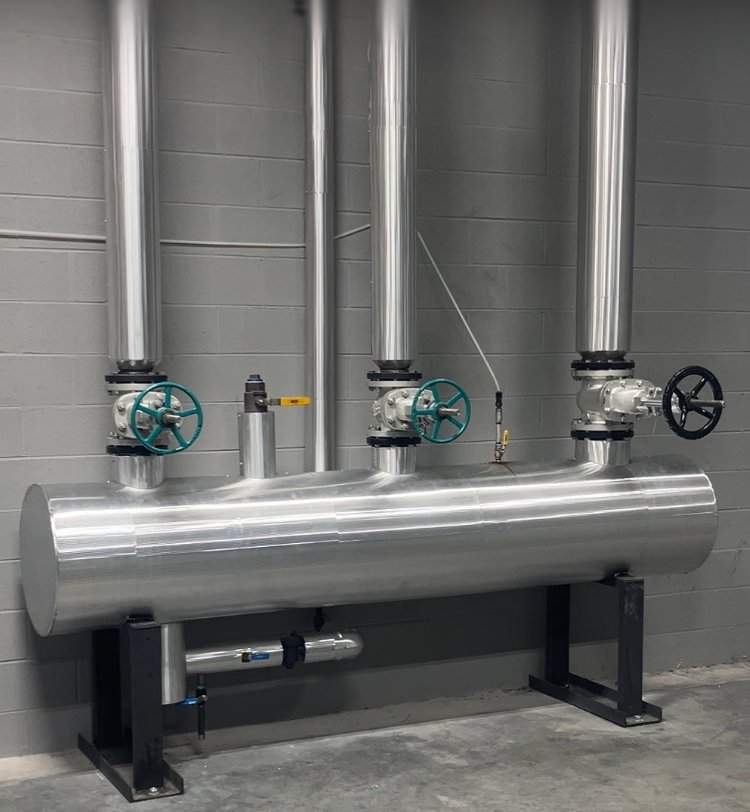
Shop-Fabricated and Field-Fabricated Process Piping
Overview Process piping systems are built using two primary fabrication strategies: shop fabrication and field fabrication. Each approach has distinct advantages, limitations, and best-use scenarios. Selecting the correct approach depends on project scale, site conditions, schedule, quality requirements, cost targets, and safety constraints.
Shop Fabricated Process Piping Definition Shop fabrication is the construction and assembly of piping components in a controlled fabrication facility (shop) prior to delivery and installation at the site. It includes cutting, welding, fitting, support assembly, testing, coating, and preassembly of spools and modules.
Advantages
Controlled environment: Better quality control, consistent welding conditions, protection from weather, and reduced contamination.
Higher productivity: Skilled crews, dedicated equipment, and repetitive tasks increase efficiency and throughput.
Improved quality and code compliance: Easier inspection, radiography, hydrostatic testing, and documentation.
Reduced site labor and congestion: Minimizes on-site welding, scaffolding, and hot work.
Shorter site schedule: Preassembly allows faster installation and commissioning.
Safer work conditions: Fewer field hot-work operations and less exposure to site hazards.
Better logistics for complex modules: Piping racks, headers, and skids can be delivered as larger preassembled units.
Typical Applications
Repetitive spools and piping runs (chemical, refinery, and process plants)
Skid-mounted process modules
High-spec systems needing strict quality control (high-pressure, hazardous services)
Best Practices
Complete accurate 3D models and isometrics prior to shop fabrication.
Perform site surveys and mock-ups to confirm clearances and interfaces.
Plan spools for transportable sizes and include field weld joints for tie-ins.
Coordinate coatings, insulation, and pre-testing before shipment.
Maintain traceability and QA documentation for each spool.
Field-Fabricated Process Piping Definition Field fabrication is the assembly, cutting, welding, threading and installation of piping at the project site. This includes final fit-up, welding to equipment or existing systems, supports and hangers installation, and final testing in place.
Advantages
Flexibility: Can adapt to as-built conditions, late changes, and complex site constraints.
No transport size limits: Large assemblies or long runs can be fabricated in place.
Lower initial coordination required: Useful when detailed shop drawings are not available.
Better for confined or inaccessible piping runs where preassembly would be impractical.
Typical Applications
Final tie-ins to equipment and existing systems
Long runs in congested or fixed infrastructure
Large bore piping that cannot be transported easily
Late-design changes and repair/retrofit work
Best Practices
Use pre-installation site surveys and establish clear as-built baselines.
Implement rigorous welding procedures, qualified welding personnel, and field QC plans.
Provide adequate shelter for weather-sensitive work and proper lighting for night operations.
Sequence field welding to minimize rework and interferences.
Maintain detailed NDE/inspection records and ensure traceability for materials and welders.
Hybrid Approaches Many projects use a hybrid approach, maximizing shop fabrication where feasible and relying on field fabrication for tie-ins, large assemblies, or adaptive needs. Typical hybrid strategies include:
Shop-fabricate spools sized for transport; finish tie-ins and final welding in the field.
Deliver preinsulated or pre-coated spools needing minimal on-site finishing.
Use modular skids built in shop; connect utilities and piping in the field.
Prefabricate supports and hanger assemblies in shop and install on site.
Selection Criteria Consider these factors when deciding between shop and field fabrication:
Project schedule and site labor availability
Transport logistics and lifting capacity
Complexity and repeatability of piping spools
Quality requirements and inspection regime
Qualified Maintenance Personnel
Qualified maintenance personnel possess the training, experience, and certifications required to perform safe, effective, and code-compliant work on mechanical and plumbing systems. They are essential for minimizing downtime, preventing equipment failures, and ensuring a safe environment for occupants and staff.
Key qualifications and competencies
Hands-on experience
Safety training
Diagnostic skills
Preventive maintenance knowledge
Commissioning and startup experience
Troubleshooting and problem solving
Communication and reporting
Tools and equipment
Roles and responsibilities
Conduct routine inspections and preventive maintenance to extend equipment life and reduce emergency repairs.
Perform troubleshooting, diagnostics, and repairs on mechanical systems.
Execute safe work practices including lockout/tagout, permit-required confined space procedures, and hazard communication.
Maintain accurate maintenance records, service logs, and parts inventories.
Coordinate with supervisors, contractors, and vendors for complex repairs, system upgrades, and scheduled outages.
Support energy efficiency measures by identifying opportunities for system improvements and upgrades.
Respond to emergencies and after-hours calls as required by facility needs.
Documentation and recordkeeping
Keep detailed service history for all major equipment including model/serial numbers, installation dates, warranty information, and parts replaced.
Track scheduled PMs, overdue tasks, and deferred maintenance items.
Document safety incidents, corrective actions, and any deviations from standard procedures.
Performance metrics
Percentage of scheduled maintenance completed on time.
Number of emergency work orders and repeat failures.
Energy consumption trends and cost savings from implemented improvements.
Compliance with safety training and incident rates.
Conclusion Qualified maintenance personnel are a critical asset to any facility. Investing in proper hiring, continuous training, and robust documentation practices reduces operational risk, extends equipment life, and improves safety and reliability.
High-Quality Metal Fabrication
At TAG Mechanical — Lafayette, GA, we deliver precision metal fabrication built to last. Our team combines industry-leading craftsmanship, modern equipment, and strict quality controls to produce components and assemblies that meet the toughest standards for performance, fit, and finish.
What we offer
Custom sheet metal fabrication: laser cutting, punching, bending, forming, and finishing for prototypes through production runs.
Structural steel and plate work: plasma/oxy cutting, plate rolling, welding, drilling, and machining for frames, supports, and heavy components.
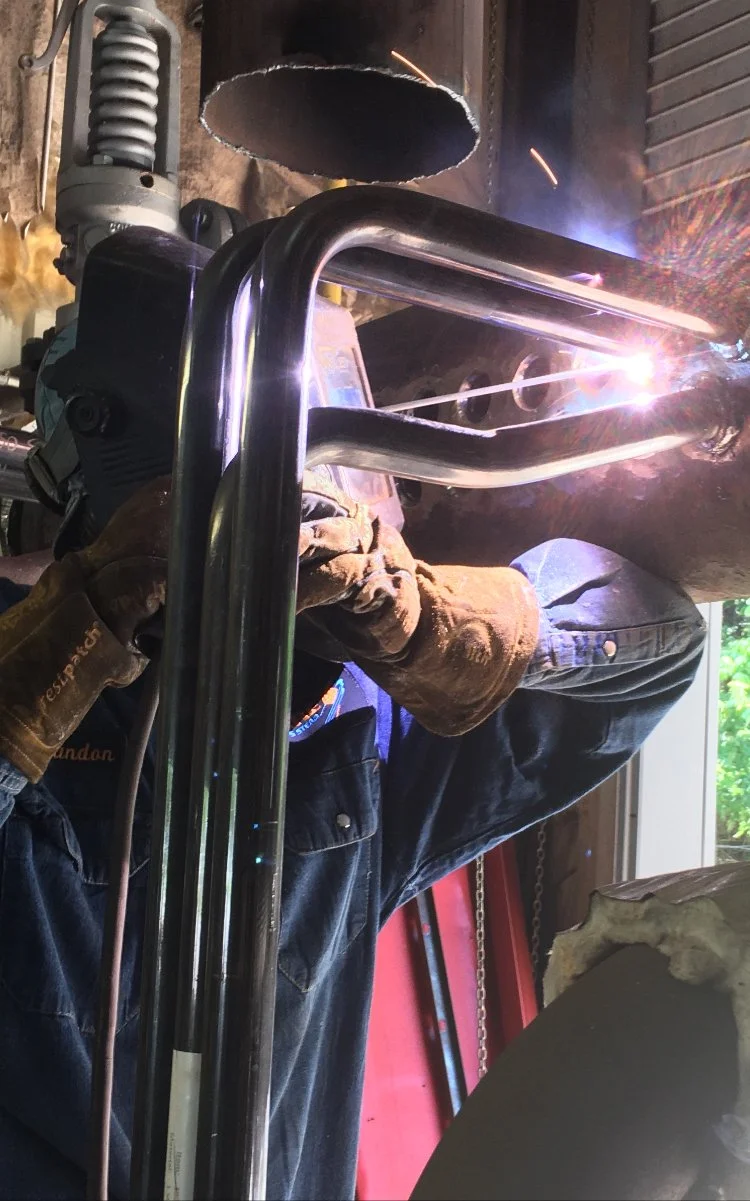
Welding and joining: TIG, MIG, SMAW, and robotic welding performed by certified welders for consistent, reliable welds.
Finishing and surface treatment: grinding, polishing, shot blasting, powder coating, and painting to protect parts and deliver the required appearance and corrosion resistance.
Assembly and testing: full mechanical assembly, fit checks, dimensional inspection, and functional testing to ensure parts are ready for installation.
Why it matters
Precision: Tight tolerances reduce rework and ensure parts integrate seamlessly in assemblies.
Durability: Proper fabrication and finishing extend component life and lower total cost of ownership.
Consistency: Controlled processes and experienced personnel deliver repeatable results across production runs.
Compliance: We adhere to applicable industry standards and perform inspection and documentation to support traceability.
Quality controls
Skilled, tradespeople for welding and machining.
Dimensional inspection using CMMs, gauges, and visual checks.
Process documentation, material traceability, and final inspection reports available on request.
Get reliable, high-quality metal fabrication with on-time delivery and professional service. Contact TAG Mechanical with your drawings or specifications and we’ll recommend the most efficient fabrication approach to meet your performance, schedule, and budget requirements.
About
our company
At the forefront of the mechanical and maintenance industry, we pride ourselves on delivering top-tier solutions with unmatched precision and reliability. Our team of seasoned professionals is dedicated to enhancing structures and infrastructure, ensuring quality and efficiency in every project.
Contact Us
Interested in working together? Fill out some info and we will be in touch shortly. We can’t wait to hear from you!